Prominent Cancer Researcher Joins MSU
Olorunseun “Seun” Ogunwobi to lead biochemistry and molecular biology department, establish Center for Cancer Health Equity Research
Internationally renowned cancer researcher Olorunseun “Seun” Ogunwobi will join Michigan State University on Aug. 16 as chair of the Department of Biochemistry and Molecular Biology, which is affiliated with the College of Natural Science, the College of Human Medicine and the College of Osteopathic Medicine.
Internationally renowned cancer researcher Olorunseun “Seun” Ogunwobi will join Michigan State University on Aug. 16 as chair of the Department of Biochemistry and Molecular Biology, which is affiliated with the College of Natural Science, the College of Human Medicine and the College of Osteopathic Medicine.

Using Prussian Blue Nanoparticles to Diagnose and Treat Brain Cancer
Michigan State University is a top global research university and a member of the prestigious Association of American Universities, widely regarded as among the top research-intensive institutions in North America. The following story highlights one of the many examples of MSU’s research excellence and innovation.
Meghan Hill is a graduate student in the Department of Biomedical Engineering at Michigan State University. Hill has won first place in MSU’s Council of Graduate Student’s 3-Minute Thesis Competition and represented MSU at the regional Midwestern Association of Graduate School’s thesis competition in Chicago. Most recently, she was awarded a dissertation completion fellowship through MSU’s College of Engineering. Hill’s research with Prussian blue nanoparticles will improve cancer research.
Meghan Hill is a graduate student in the Department of Biomedical Engineering at Michigan State University. Hill has won first place in MSU’s Council of Graduate Student’s 3-Minute Thesis Competition and represented MSU at the regional Midwestern Association of Graduate School’s thesis competition in Chicago. Most recently, she was awarded a dissertation completion fellowship through MSU’s College of Engineering. Hill’s research with Prussian blue nanoparticles will improve cancer research.

Ask the Expert: Discussing Myths Surrounding Colorectal Cancer
Colorectal cancer affects more than 150,000 people each year, yet persistent myths surrounding this illness often keep people from talking to their doctors about it.
Jacquelyn Charbel is an assistant professor in the Michigan State University College of Osteopathic Medicine, a colorectal surgeon and MSU Health Care provider. She discusses myths around colorectal cancer.
Jacquelyn Charbel is an assistant professor in the Michigan State University College of Osteopathic Medicine, a colorectal surgeon and MSU Health Care provider. She discusses myths around colorectal cancer.
Going Up: Discovering a Protein’s ‘Elevator Motion’ Could Spur New Cancer Treatments
Spartan researchers help show how omnipresent biomolecular machines with important health implications transport metals
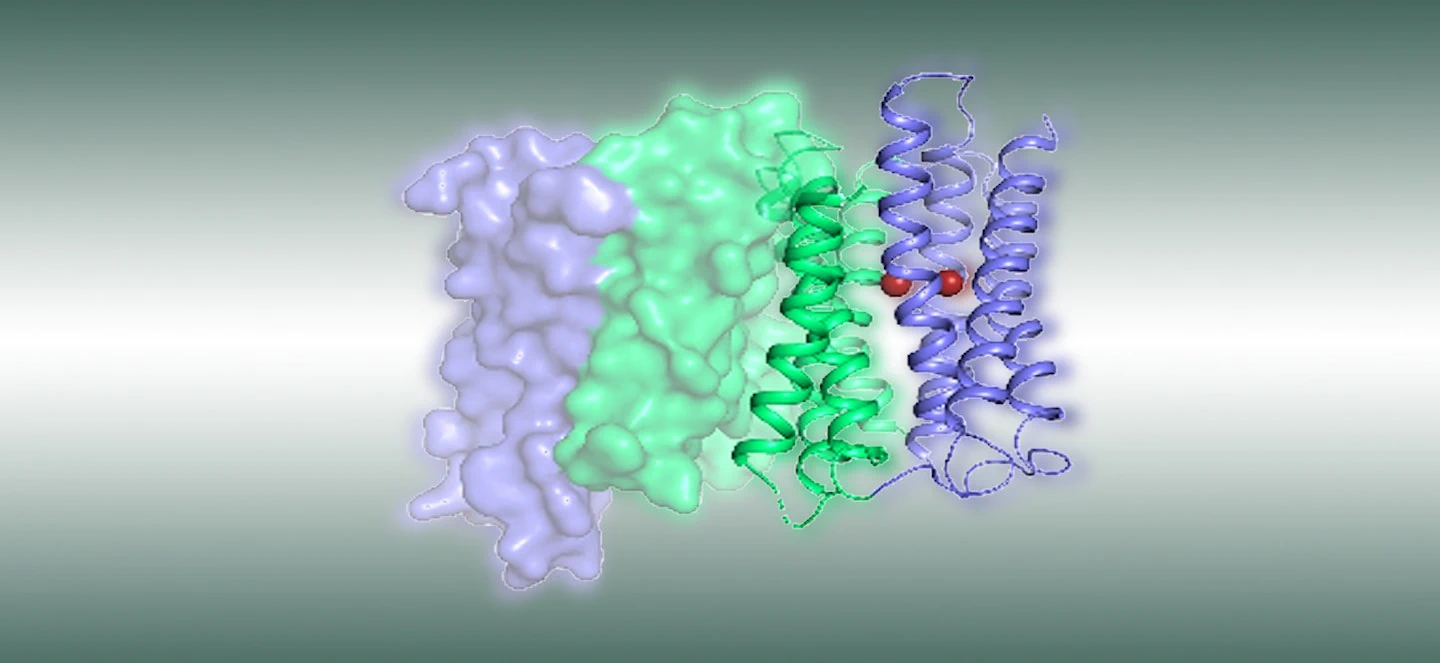
Michigan State University researcher Jian Hu has taken another important step in learning as much as possible about tiny protein machines that help shuttle metals into living cells.
This latest step, published in the journal Nature Communications, provides detailed new insights into how these machines work. Though this is a study in fundamental biology, Hu and his team are working to use this knowledge to develop new cancer therapies and enable people to live healthier lives.
Michigan State University researcher Jian Hu has taken another important step in learning as much as possible about tiny protein machines that help shuttle metals into living cells.
This latest step, published in the journal Nature Communications, provides detailed new insights into how these machines work. Though this is a study in fundamental biology, Hu and his team are working to use this knowledge to develop new cancer therapies and enable people to live healthier lives.

DNA Repair Discovery Could Improve Biotechnology
A team of researchers from Michigan State University’s College of Veterinary Medicine has made a discovery that may have implications for therapeutic gene editing strategies, cancer diagnostics and therapies and other advancements in biotechnology.
Kathy Meek, a professor in the College of Veterinary Medicine, and collaborators at Cambridge University and the National Institutes of Health have uncovered a previously unknown aspect of how DNA double-stranded breaks are repaired.
Kathy Meek, a professor in the College of Veterinary Medicine, and collaborators at Cambridge University and the National Institutes of Health have uncovered a previously unknown aspect of how DNA double-stranded breaks are repaired.
MSU Health Care, McLaren Greater Lansing Designated an ACR Breast Imaging Center of Excellence
Lansing, MI – MSU Health Care at McLaren Greater Lansing Breast Imaging Center has been designated a Breast Imaging Center of Excellence by the American College of Radiology (ACR).
“This achievement highlights the commitment our facility, staff, and physicians place on providing the highest quality breast care for our patients,” said David Rawson, DO, lead interpreting physician at the MSU Health Care at McLaren Greater Lansing Breast Imaging Center. “The Breast Imaging Center is now dual accredited by the American College of Radiology as a Breast Center of Excellence and by the American College of Surgeons’ National Accreditation Program for Breast Centers. These represent the highest levels of quality possible in the delivery of breast care.”
“This achievement highlights the commitment our facility, staff, and physicians place on providing the highest quality breast care for our patients,” said David Rawson, DO, lead interpreting physician at the MSU Health Care at McLaren Greater Lansing Breast Imaging Center. “The Breast Imaging Center is now dual accredited by the American College of Radiology as a Breast Center of Excellence and by the American College of Surgeons’ National Accreditation Program for Breast Centers. These represent the highest levels of quality possible in the delivery of breast care.”
Ferreira’s Lab Explores Rare Isotopes to Detect and Stop Cancer at the Cellular Level
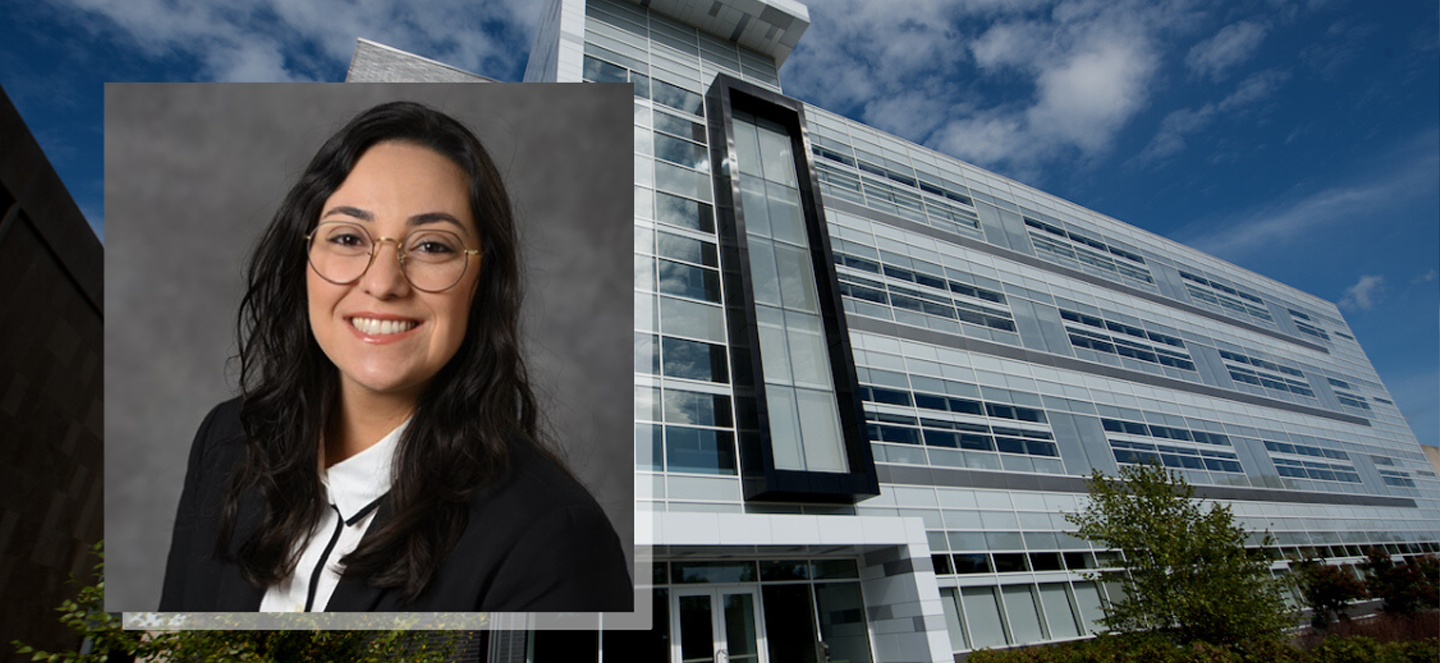
As a young girl in Brazil, while her friends played with dolls, Carolina de Aguiar Ferreira had other interests.
Now, as a recently hired assistant professor in the Colleges of Human Medicine and Engineering, Ferreira, PhD, is opening her own lab to study promising new therapies that hunt down cancer cells and kill them with radioactive isotopes.
While her research is still in the early stages, it holds the potential not only to treat many types of metastatic cancers that have spread throughout the body, but to cure them, Ferreira said.
Now, as a recently hired assistant professor in the Colleges of Human Medicine and Engineering, Ferreira, PhD, is opening her own lab to study promising new therapies that hunt down cancer cells and kill them with radioactive isotopes.
While her research is still in the early stages, it holds the potential not only to treat many types of metastatic cancers that have spread throughout the body, but to cure them, Ferreira said.

MSU Drug Developers Win Seed Funding for Development of Cancer, Tuberculosis Drugs
Two biomedical researchers at Michigan State University have received a total of $600,000 in high-risk, high-reward Catalyst Awards from the Dr. Ralph and Marian Falk Medical Research Trust.
Karen Liby, professor in the Department of Pharmacology and Toxicology – a shared department in the Colleges of Osteopathic Medicine and Human Medicine – and Robert Abramovitch, associate professor for the Colleges of Veterinary Medicine and Human Medicine and MSU AgBioResearch, will each receive $300,000 to fund their promising drug development projects.
Karen Liby, professor in the Department of Pharmacology and Toxicology – a shared department in the Colleges of Osteopathic Medicine and Human Medicine – and Robert Abramovitch, associate professor for the Colleges of Veterinary Medicine and Human Medicine and MSU AgBioResearch, will each receive $300,000 to fund their promising drug development projects.

Existing Drug Could Reduce Side Effects of Gold-Standard Cancer Treatment
An MSU researcher is part of an international team that found an approved drug could reduce harmful effects of anticancer drug cisplatin A Michigan State University researcher is part of an international team that found an existing drug may help decrease side effects of cisplatin, a widely used cancer treatment that was discovered at MSU in 1965.
Since its discovery, cisplatin has become the gold standard against which all cancer treatments are measured. Currently, cisplatin is used to treat testicular, ovarian, bladder, lung, stomach and head and neck cancers. While cisplatin has proven to be an effective chemotherapy drug to treat cancer, the side effects of the treatment can be debilitating and may result in treatment cessation. Examples of such side effects include peripheral neuropathy, which causes severe pain in hands and feet, and kidney toxicity, which can lead to kidney failure in 35% of patients who take cisplatin. Currently, no drugs are available that reduce these side effects.
Since its discovery, cisplatin has become the gold standard against which all cancer treatments are measured. Currently, cisplatin is used to treat testicular, ovarian, bladder, lung, stomach and head and neck cancers. While cisplatin has proven to be an effective chemotherapy drug to treat cancer, the side effects of the treatment can be debilitating and may result in treatment cessation. Examples of such side effects include peripheral neuropathy, which causes severe pain in hands and feet, and kidney toxicity, which can lead to kidney failure in 35% of patients who take cisplatin. Currently, no drugs are available that reduce these side effects.
MSU Research: Screening for Lung Cancer Does Work
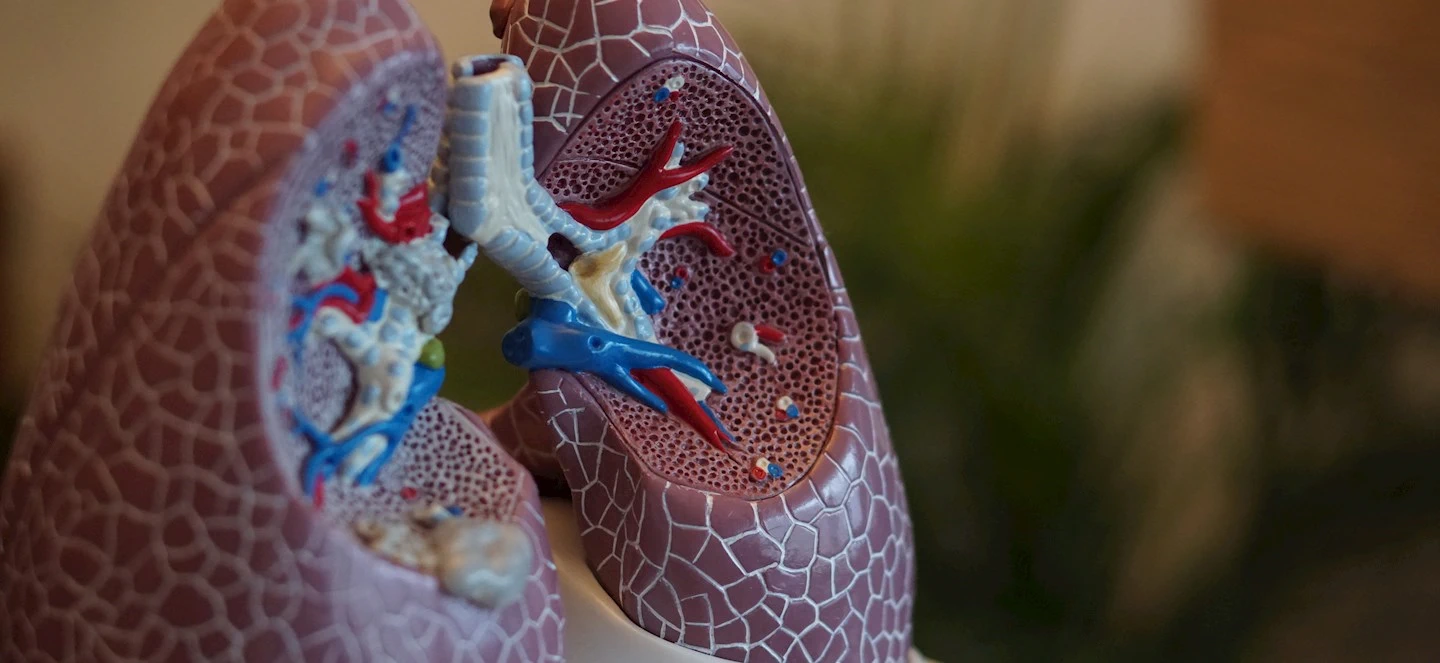
Lung cancer is the leading cause of cancer deaths in the United States, largely because most patients with lung cancer are diagnosed at advanced stages of the disease. Despite this, until now it wasn’t known if lung cancer screening would be effective in identifying early-stage patients in the general population.
New research from Michigan State University has found that using low-dose computed tomography, or LDCT, for lung cancer screening has led to a significant decrease in advanced lung cancer in the U.S.

MSU Researcher Awarded $2.5 Million NIH Grant to Study Mammary Gland Development
When thinking about why breast cancer develops, it is critical to understand how normal development works. This is one of the driving factors in Eran Andrechek’s lab in the Michigan State University Department of Physiology, housed in the College of Natural Science.
Recently, the National Institutes of Health awarded him a five-year, $2.5 million grant to fund his research project of defining the role of the repressor E2F5 gene in mammary gland development. The gene is a part of the E2F family of transcription factors which is made up of activators and repressors. Andrechek said that while the role of the activator E2Fs is known to regulate mammary gland development, little is known of the role of the repressor E2Fs.
Recently, the National Institutes of Health awarded him a five-year, $2.5 million grant to fund his research project of defining the role of the repressor E2F5 gene in mammary gland development. The gene is a part of the E2F family of transcription factors which is made up of activators and repressors. Andrechek said that while the role of the activator E2Fs is known to regulate mammary gland development, little is known of the role of the repressor E2Fs.
MSU Brings Better Cancer Diagnosis and Treatment Home to Michigan
At the corner of Michigan Street and Monroe Avenue along the “Medical Mile” in Grand Rapids, some of the world’s most advanced precision cancer treatments are beginning to take place inside the Michigan State University Grand Rapids Innovation Park.
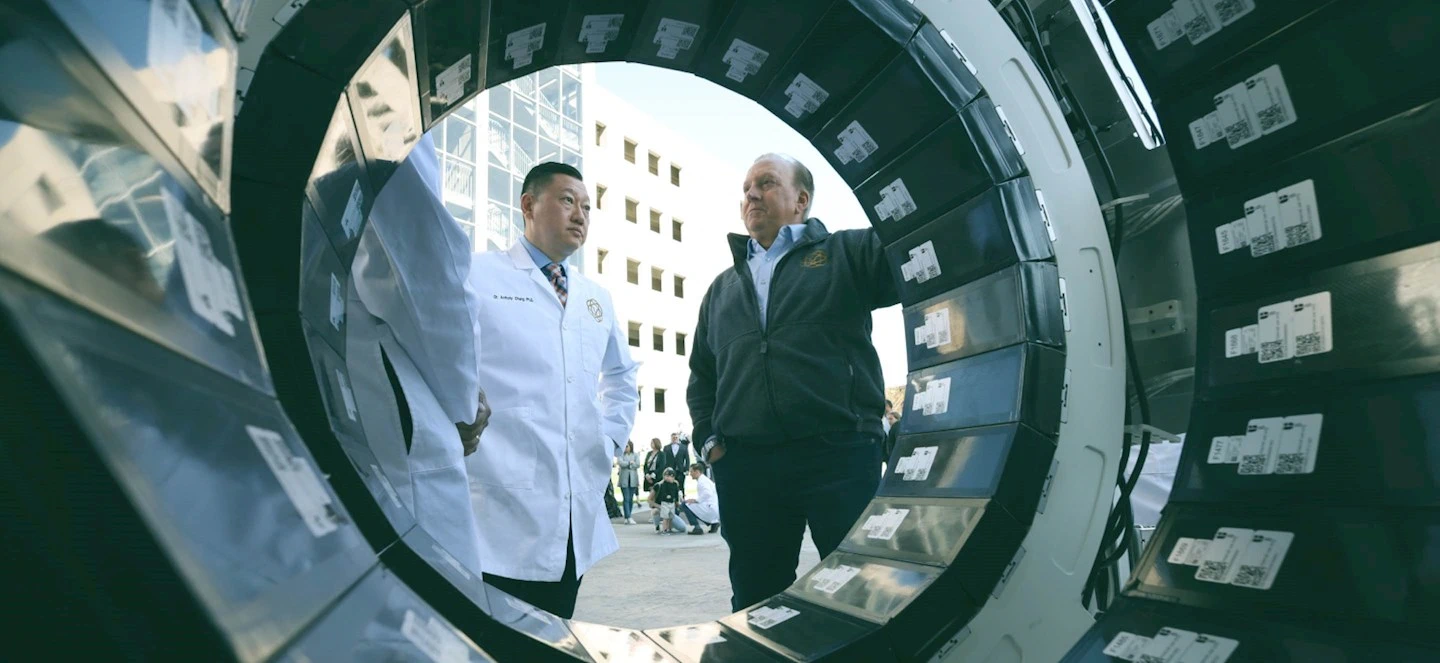
Within the walls of the Doug Meijer Medical Innovation Building — a 205,000-square-foot facility in the innovation park dedicated to biomedical research and public-private partnerships — the medical innovation company Bold Advanced Medical Future Health welcomed the arrival of the nation’s first total-body PET/CT scanner for clinical use on patients. MSU’s partnership with BAMF Health accelerates cancer research through a pipeline of advanced clinical research combined with the latest technology.
Within the walls of the Doug Meijer Medical Innovation Building — a 205,000-square-foot facility in the innovation park dedicated to biomedical research and public-private partnerships — the medical innovation company Bold Advanced Medical Future Health welcomed the arrival of the nation’s first total-body PET/CT scanner for clinical use on patients. MSU’s partnership with BAMF Health accelerates cancer research through a pipeline of advanced clinical research combined with the latest technology.