
Henry Ford Health + MSU Health Sciences Funds Five Cancer Research Grants
Henry Ford Health + Michigan State University Health Sciences announced its funding of five cancer research grants of up to $100,000 each. These five grants follow an initial wave of funding from the partnership, in which 18 pilot grants of up to $25,000 each were funded in May 2022.
In total, researchers at Henry Ford and Michigan State University submitted 26 integration grant proposals for this latest wave of funding. Each research grant has a principal investigator from Henry Ford Health, a principal investigator from MSU and additional key personnel from both organizations.
In total, researchers at Henry Ford and Michigan State University submitted 26 integration grant proposals for this latest wave of funding. Each research grant has a principal investigator from Henry Ford Health, a principal investigator from MSU and additional key personnel from both organizations.
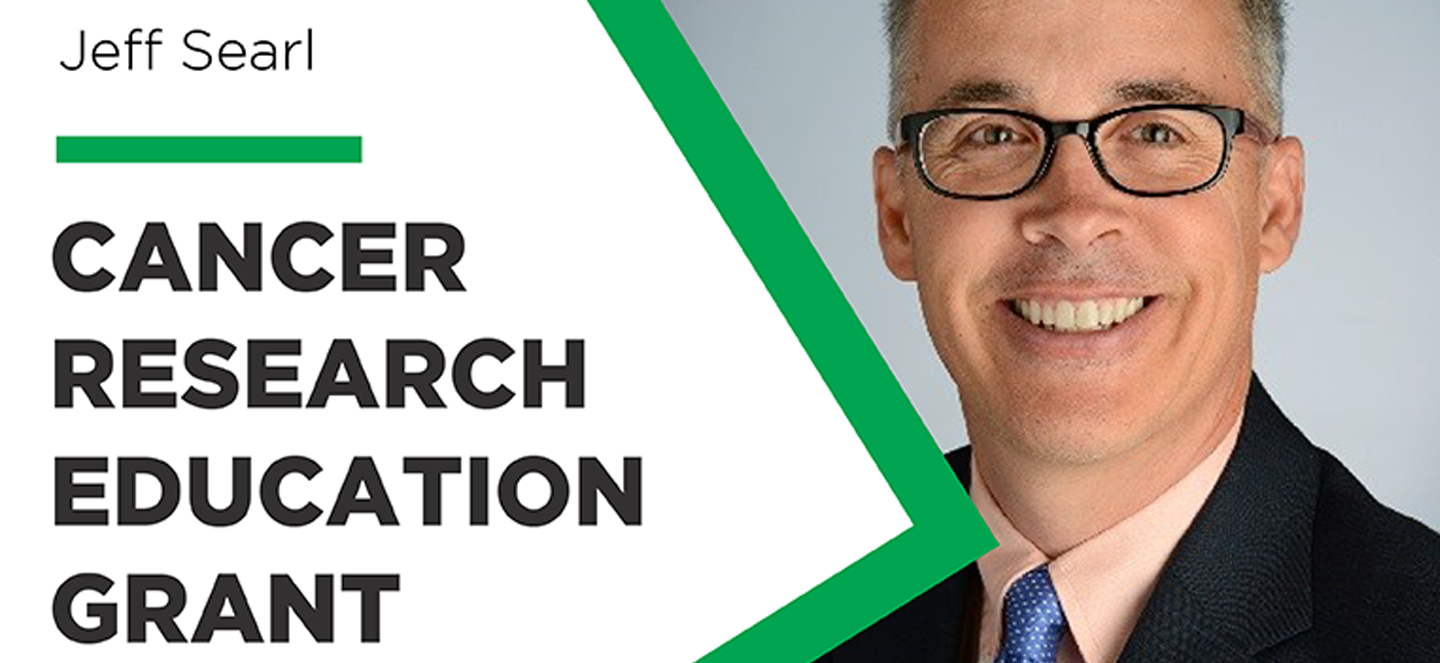
Searl Receives Cancer Research Education Grant From the National Cancer Institute
ComArtSci Professor Jeff Searl has received a grant from the National Cancer Institute to create a virtual reality curriculum for healthcare professionals and students. It will initially focus on training students in nursing, medicine and speech-language pathology to both understand the differences between laryngectomy and tracheostomy patients and to provide care of their airway and communication needs.
Searl is collaborating with Andrew Dennis from the Games for Entertainment and Learning (GEL) Lab, Mary Kay Smith from The Learning and Assessment Center and College of Osteopathic Medicine, Peter LaPine from the Department of Communicative Sciences and Disorders, and Gayle Lourens from MSU’s College of Nursing, in order to create this innovative curriculum in the next two years.
Searl is collaborating with Andrew Dennis from the Games for Entertainment and Learning (GEL) Lab, Mary Kay Smith from The Learning and Assessment Center and College of Osteopathic Medicine, Peter LaPine from the Department of Communicative Sciences and Disorders, and Gayle Lourens from MSU’s College of Nursing, in order to create this innovative curriculum in the next two years.
Hickman Family’s $6 Million Gift Funds Cancer Research, Creates Endowed Position
Alumnus Stephen Hickman (’64, Business); his wife, Sally; and their family — daughter Stephanie Hickman Boyse, a 1990 graduate of the College of Communication Arts and Sciences; daughter Tracy Hickman, who earned a degree in interior design in 1988; and Tracy’s spouse, Chad Munger, a 1988 graduate of the College of Arts & Letters — have come together to make a $6 million gift to support cancer research and treatment at Michigan State University.
Sniffing Out Cancer With Locust Brains
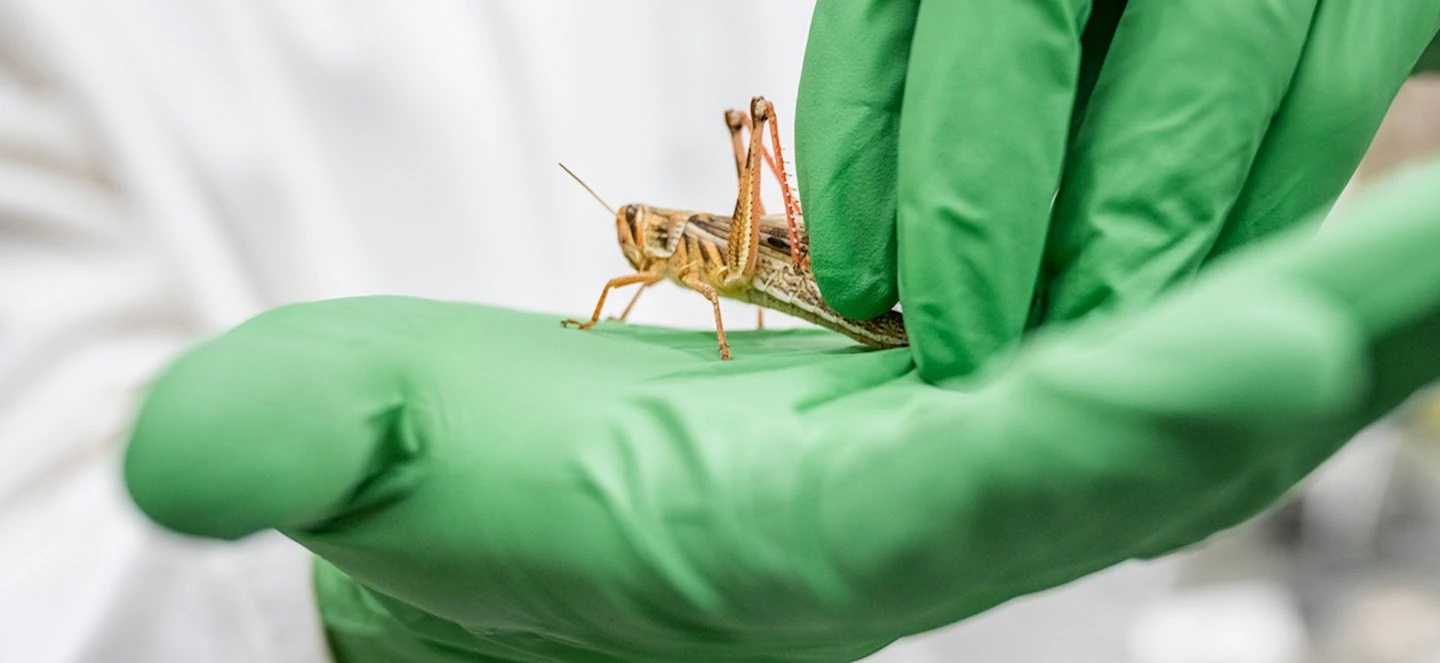
Michigan State research shows insects can differentiate between cancer cells and healthy cells, which could help detect the disease earlier.
Researchers at Michigan State University have shown that locusts can not only “smell” the difference between cancer cells and healthy cells, but they can also distinguish between different cancer cell lines.
Researchers at Michigan State University have shown that locusts can not only “smell” the difference between cancer cells and healthy cells, but they can also distinguish between different cancer cell lines.
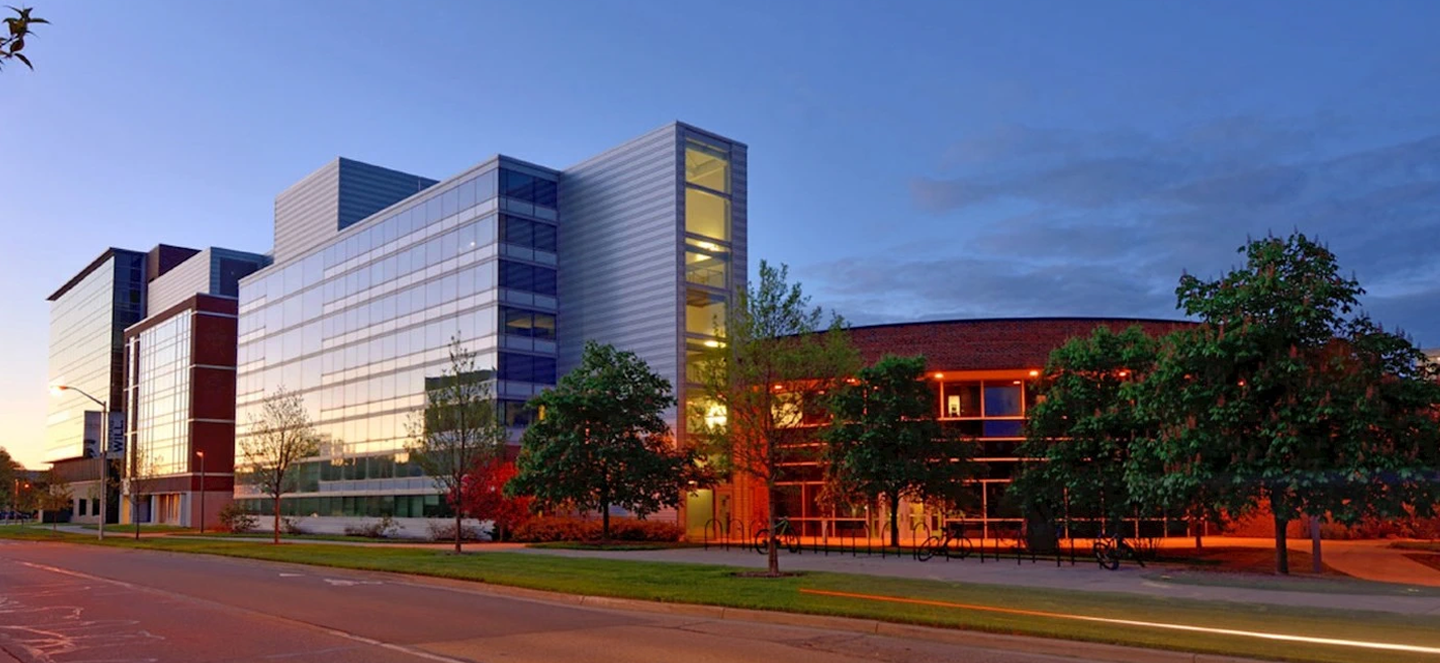
A Targeted and Personalized Approach to Fighting Cancer
Michigan State University is one of the top 100 research universities in the world and a member of the prestigious Association of American Universities, widely regarded as among the top research-intensive institutions in North America. The following story highlights one of the many examples of MSU’s research excellence and innovation.
Kurt Zinn is a professor of biomedical engineering in the Colleges of Engineering, Human Medicine and Veterinary Medicine and Investigator at the Institute of Quantitative Health Science and Engineering.
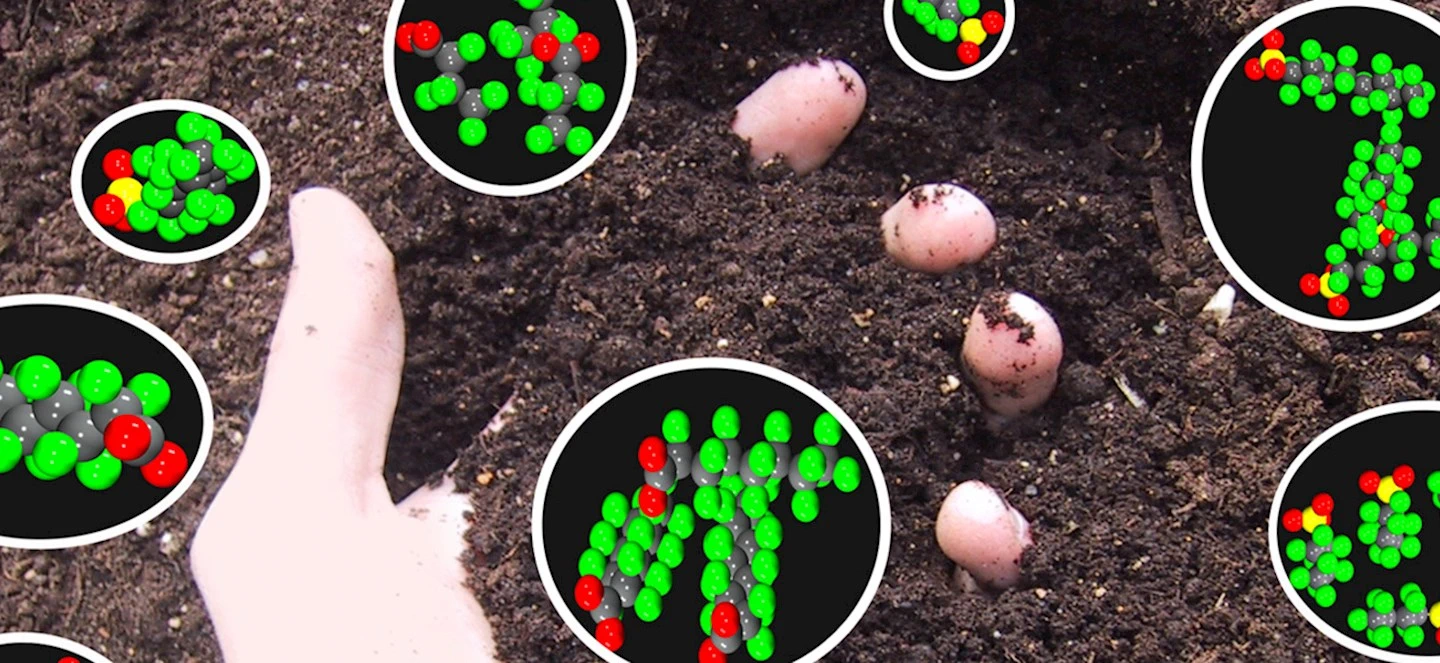
How Spartan Simulations Could Help Get PFAS Out of Soil
Michigan State computational chemists are revealing how persistent pollutants interact with soil minerals
Michigan State University chemists are discovering new information to help remediate “forever chemicals” by showing for the first time how they interact with soil at the molecular level.
Michigan State University chemists are discovering new information to help remediate “forever chemicals” by showing for the first time how they interact with soil at the molecular level.
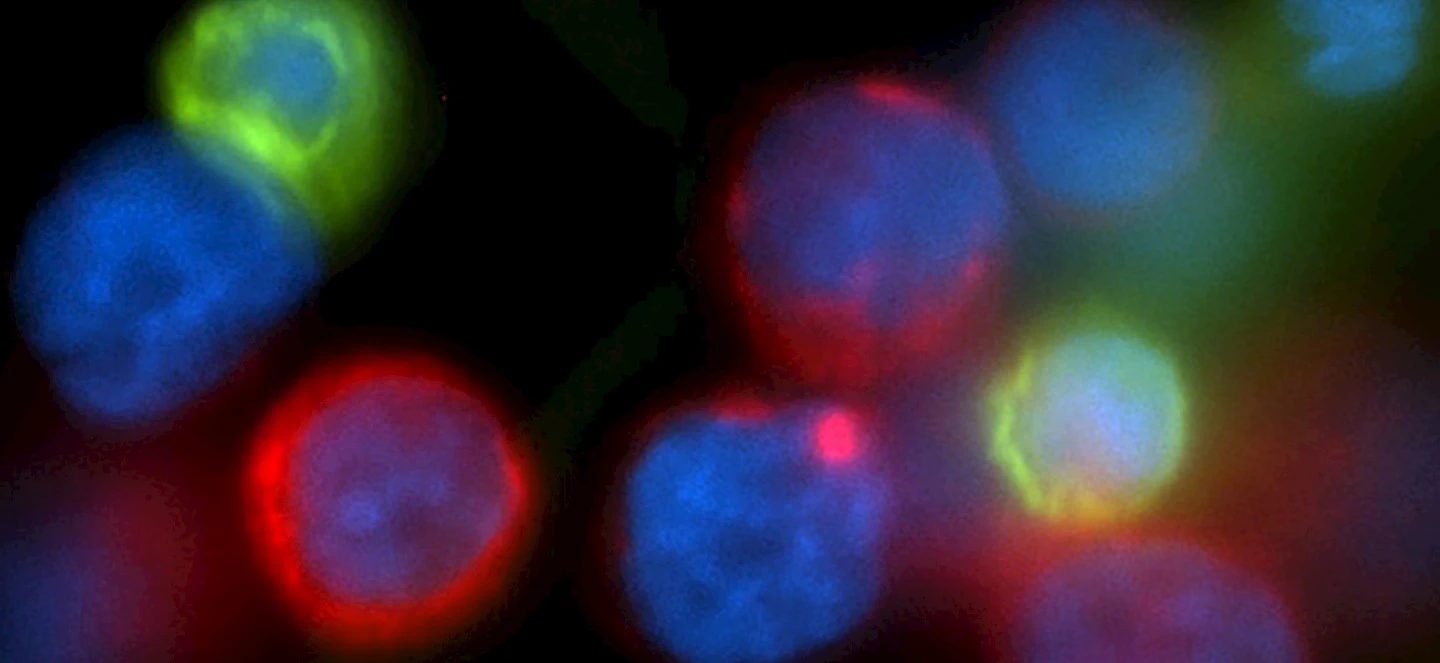
Working to Stop the Spread of Breast Cancer
Spartans are unveiling and studying chemical clues that could lead to better diagnoses and treatments for a metastatic form of breast cancer with support from a $2 million NIH grant
Michigan State researchers are revealing the molecular workings of how a certain form of metastatic breast cancer spreads to other parts of the body. In doing so, they’re creating new opportunities to spot and contain what is called triple negative breast cancer.
Michigan State researchers are revealing the molecular workings of how a certain form of metastatic breast cancer spreads to other parts of the body. In doing so, they’re creating new opportunities to spot and contain what is called triple negative breast cancer.
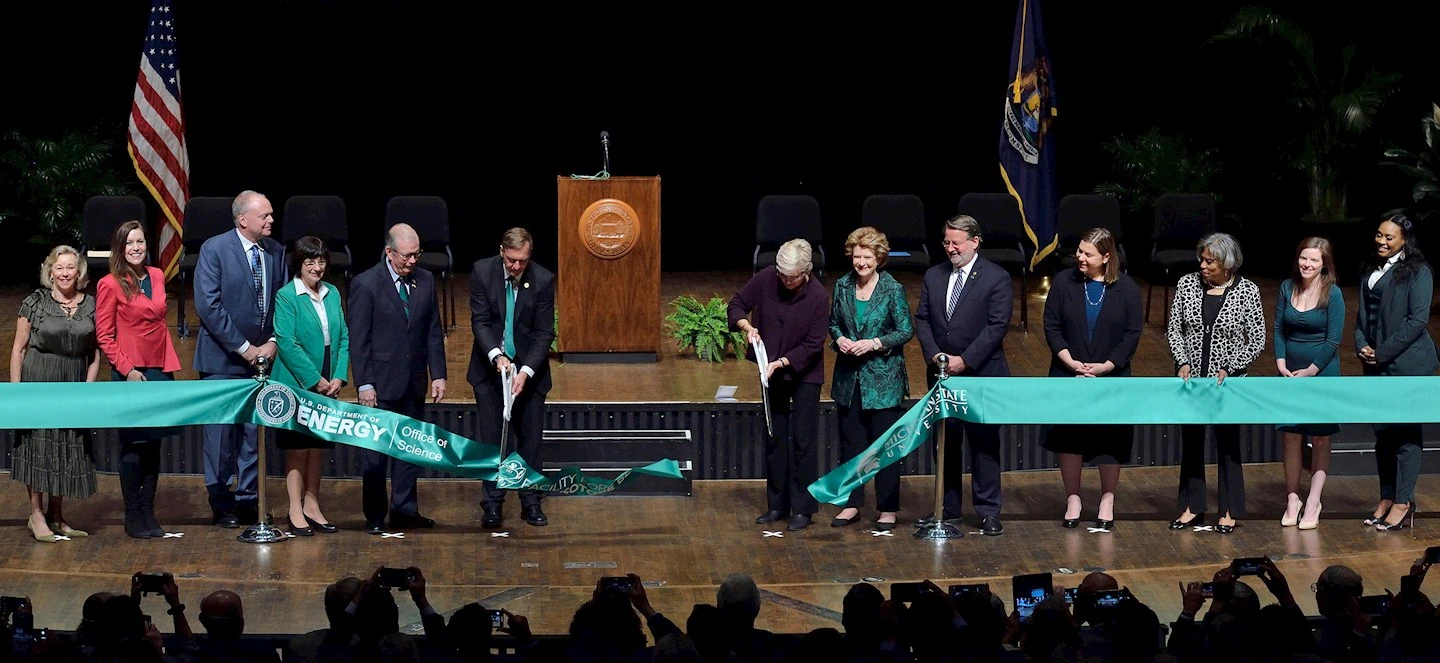
Facility for Rare Isotope Beams Opens Its Doors to Discovery
Michigan State University’s Facility for Rare Isotope Beams (FRIB), a user facility for the U.S. Department of Energy Office of Science, opened its doors to discovery with a ribbon-cutting ceremony on 2 May. U.S. Secretary of Energy Jennifer M. Granholm and MSU President Samuel L. Stanley Jr., M.D., cut the ribbon to officially mark the start of FRIB’s scientific mission.
“Returning home to Michigan to unveil the FRIB—which began construction when I was Governor—is a testament to the hard work that it took to get to this point and the pivotal role this facility will play in making America the global leader in rare isotope nuclear science research,” said U.S. Secretary of Energy Jennifer M. Granholm. “Along with boosting the nation’s innovative capacity and global competitiveness, this facility will help us discover new things about our universe and ourselves, find new ways to diagnose and treat cancer, and strengthen our national security.”
“Returning home to Michigan to unveil the FRIB—which began construction when I was Governor—is a testament to the hard work that it took to get to this point and the pivotal role this facility will play in making America the global leader in rare isotope nuclear science research,” said U.S. Secretary of Energy Jennifer M. Granholm. “Along with boosting the nation’s innovative capacity and global competitiveness, this facility will help us discover new things about our universe and ourselves, find new ways to diagnose and treat cancer, and strengthen our national security.”
DO-PhD Student’s Cancer Research Shows Promising Results
Helping patients gain valuable time with loved ones is the major reason why sixth year D.O.-Ph.D. student at Michigan State University College of Osteopathic Medicine, Lyndsey Reich, wanted to become a researcher and a physician.
Reich’s father was involved in multiple clinical trials that extended his life by about 10 years, which allowed her to see the immediate impact research can have for patients. Remembering the important gift of time her father received while participating in trials during his illness prompted her to choose the path of medicine and research.
Reich’s father was involved in multiple clinical trials that extended his life by about 10 years, which allowed her to see the immediate impact research can have for patients. Remembering the important gift of time her father received while participating in trials during his illness prompted her to choose the path of medicine and research.

Making a Difference for Kids Like Alex
A month before Alex Mandarino’s third birthday in 2011, his parents Tony and Katie noticed something was just…off. Normally an energetic, strong, independent kid, Alex became clingy. More needy than normal.
Alex was later diagnosed with neuroblastoma, a difficult to treat form of pediatric cancer, which affects 800 kids in the U.S. each year.* As Katie quickly went from being full-time educator to full-time nurse, the Mandarinos desperately sought relief for Alex from the horrible pain he was enduring, much of which came in the form of treatment.
Alex was later diagnosed with neuroblastoma, a difficult to treat form of pediatric cancer, which affects 800 kids in the U.S. each year.* As Katie quickly went from being full-time educator to full-time nurse, the Mandarinos desperately sought relief for Alex from the horrible pain he was enduring, much of which came in the form of treatment.

What Is an Isotope?
Spartan researchers help show how small changes in an atom's nucleus can make a big impact on research in medicine, astrophysics and more In 1922, British scientists Frederick Soddy and Francis William Aston were awarded Nobel Prize medals in chemistry for their groundbreaking work in discovering isotopes.
Now, a century later, Michigan State University is helping launch the next chapter in isotope history. The Facility for Rare Isotope Beams, or FRIB, a U.S. Department of Energy Office of Science user facility and the most powerful isotope-making accelerator on the planet, opens on MSU’s campus this spring.
Now, a century later, Michigan State University is helping launch the next chapter in isotope history. The Facility for Rare Isotope Beams, or FRIB, a U.S. Department of Energy Office of Science user facility and the most powerful isotope-making accelerator on the planet, opens on MSU’s campus this spring.
Timing Light Therapy for Better Sleep
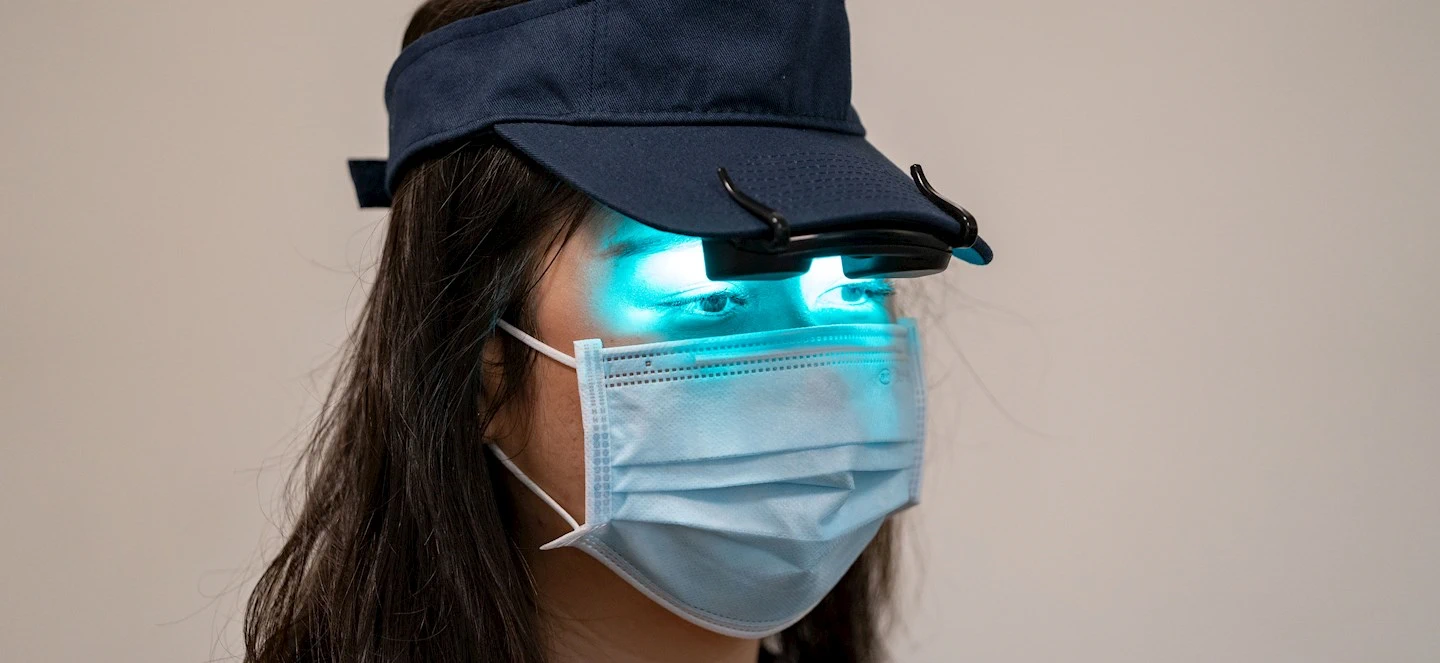
Researchers found that personalized time for light therapy improved breast cancer survivors’ sleep. Many breast cancer survivors deal with lingering symptoms of fatigue and sleep disturbances long after their cancer has gone into remission.
“My patients were tired during the day, but they didn’t sleep well at night,” said Horng-Shiuann Wu, an associate professor in the College of Nursing. “I noticed that fatigue and sleep disturbance were closely related; they negatively affect cancer patients but we didn’t have a solution for them.”
“My patients were tired during the day, but they didn’t sleep well at night,” said Horng-Shiuann Wu, an associate professor in the College of Nursing. “I noticed that fatigue and sleep disturbance were closely related; they negatively affect cancer patients but we didn’t have a solution for them.”