
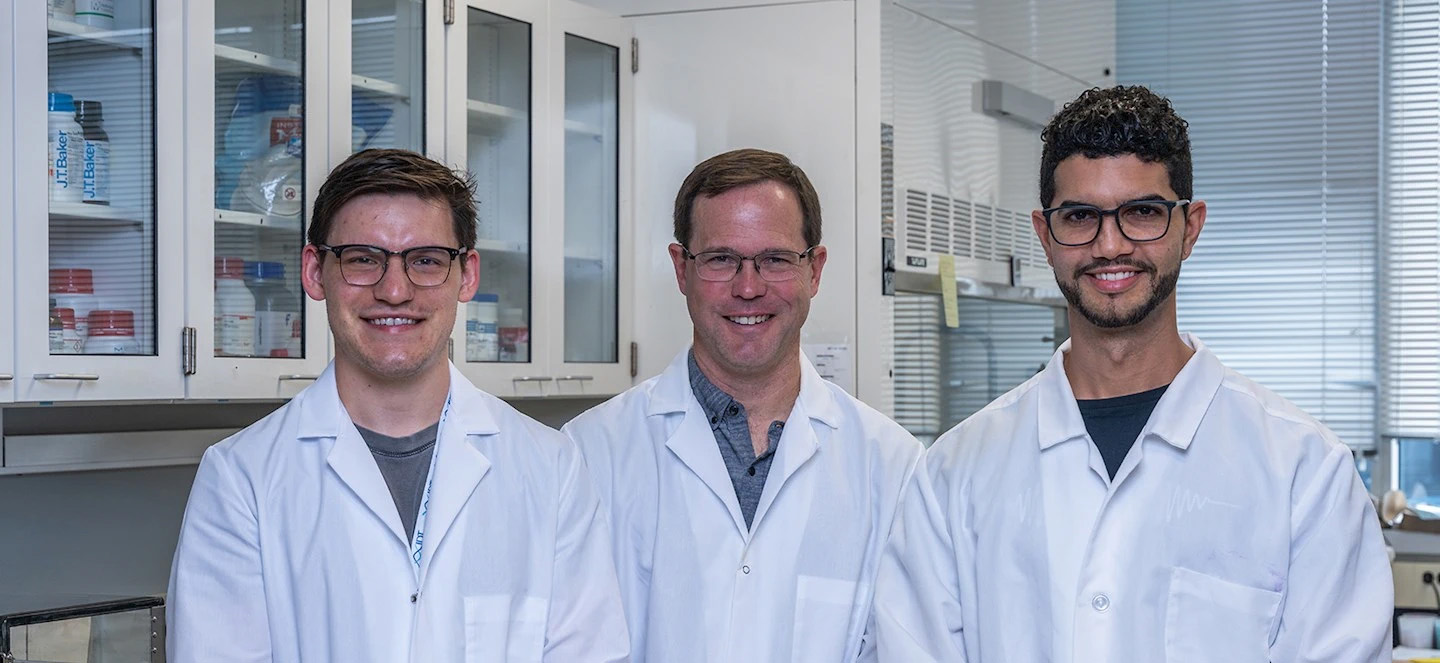
MSU Lab Develops Promising Breast Cancer Model
A Michigan State University researcher’s new model for studying breast cancer could help scientists better understand why and where cancer metastasizes.
Professor Eran Andrechek who teaches in the MSU Department of Physiology, has been researching the E2F5 gene, of which little is known, and its role in the development of breast cancer. Based on findings from Andrechek’s lab, the loss of E2F5 results in altered regulation of Cyclin D1, a protein linked to metastatic breast tumors after long latency.
Professor Eran Andrechek who teaches in the MSU Department of Physiology, has been researching the E2F5 gene, of which little is known, and its role in the development of breast cancer. Based on findings from Andrechek’s lab, the loss of E2F5 results in altered regulation of Cyclin D1, a protein linked to metastatic breast tumors after long latency.
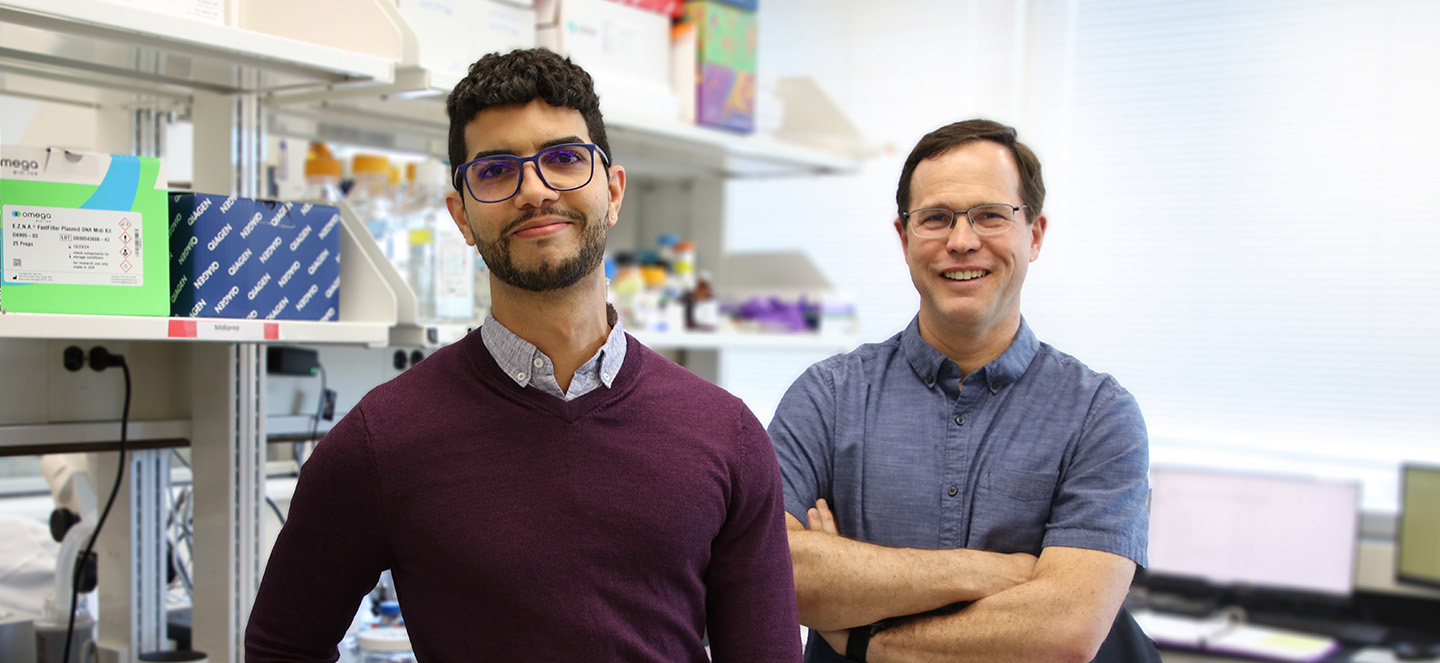
Graduate Student Wins Fellowship to Study Breast Cancer Metastasis
When Jesus Garcia Lerena joined Eran Andrechek’s laboratory in spring of 2022, he knew it would provide the perfect opportunity for him to further explore his passion for genomics and cancer research.
The Department of Physiology professor’s lab was a natural fit for Garcia Lerena, who has an undergraduate background in clinical allergies and immunology coupled with his master's studies in molecular biology.
The Department of Physiology professor’s lab was a natural fit for Garcia Lerena, who has an undergraduate background in clinical allergies and immunology coupled with his master's studies in molecular biology.

Ask the Expert: How Can Oral Cancer Screening Methods Be Improved?
In the U.S., oral cancer makes up 3% of all cancers and there are about 54,000 new cases diagnosed each year, according to the National Institutes of Health’s dental and craniofacial research. Since oral cancer can spread quickly, early diagnosis is important.
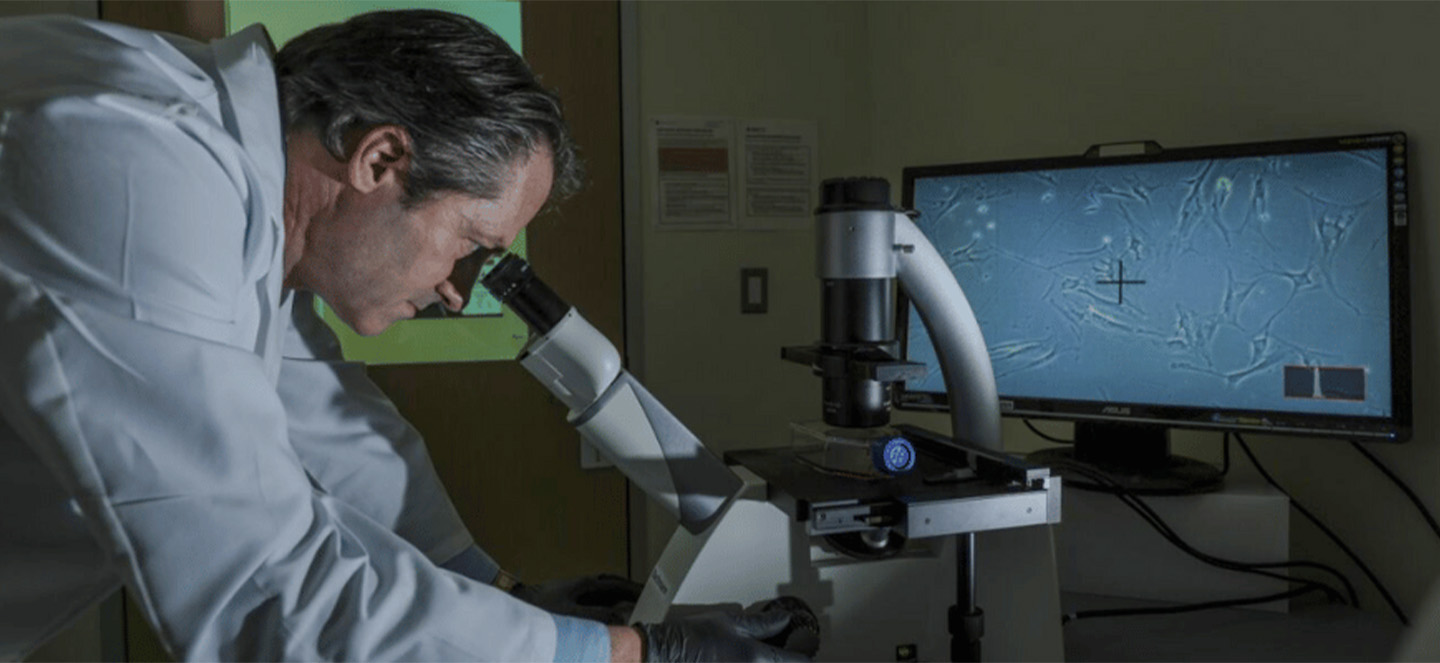
Bachmann’s Pioneering DFMO Research Leads to FDA-Approved Lifesaving Cancer Drug
The U.S. Food and Drug Administration has approved a drug to treat neuroblastoma, an often-fatal pediatric cancer, based on pioneering research by College of Human Medicine professor André Bachmann.
The FDA approved a tablet form of a drug called difluoromethylornithine, or DFMO (synonym eflornithine), developed in 1978 and later used to treat West African sleeping sickness. The agency’s approval will allow doctors to use oral DFMO to reduce the rate of relapses in patients who have previously undergone standard therapy for neuroblastoma.
The FDA approved a tablet form of a drug called difluoromethylornithine, or DFMO (synonym eflornithine), developed in 1978 and later used to treat West African sleeping sickness. The agency’s approval will allow doctors to use oral DFMO to reduce the rate of relapses in patients who have previously undergone standard therapy for neuroblastoma.
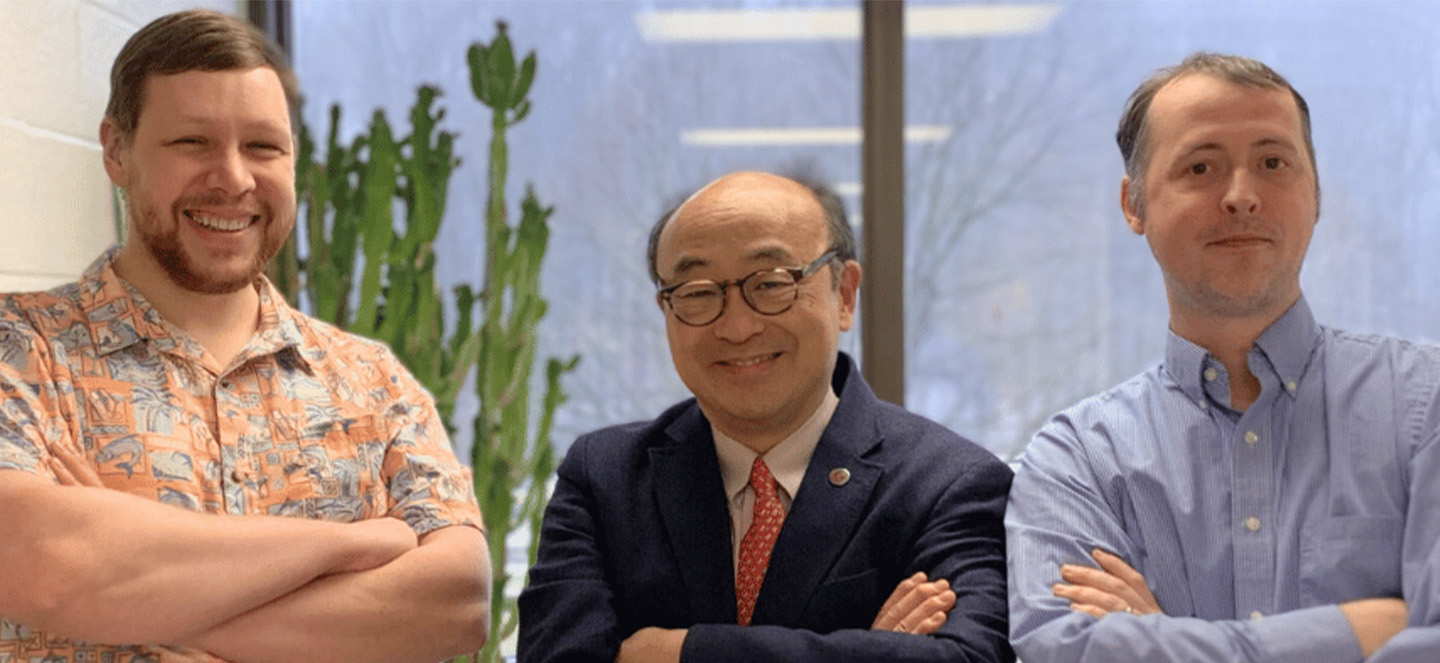
MSU Researchers Find Early, Promising Glioblastoma Treatment
A team of Michigan State University scientists has unveiled a potential game-changer in the fight against glioblastoma, the most common and currently incurable form of brain cancer.
Their weapon of choice? A drug-like compound named Ogremorphin, or OGM. In laboratory experiments, OGM showed a remarkable ability to kill glioblastoma cells while leaving normal cells unharmed.
Their weapon of choice? A drug-like compound named Ogremorphin, or OGM. In laboratory experiments, OGM showed a remarkable ability to kill glioblastoma cells while leaving normal cells unharmed.
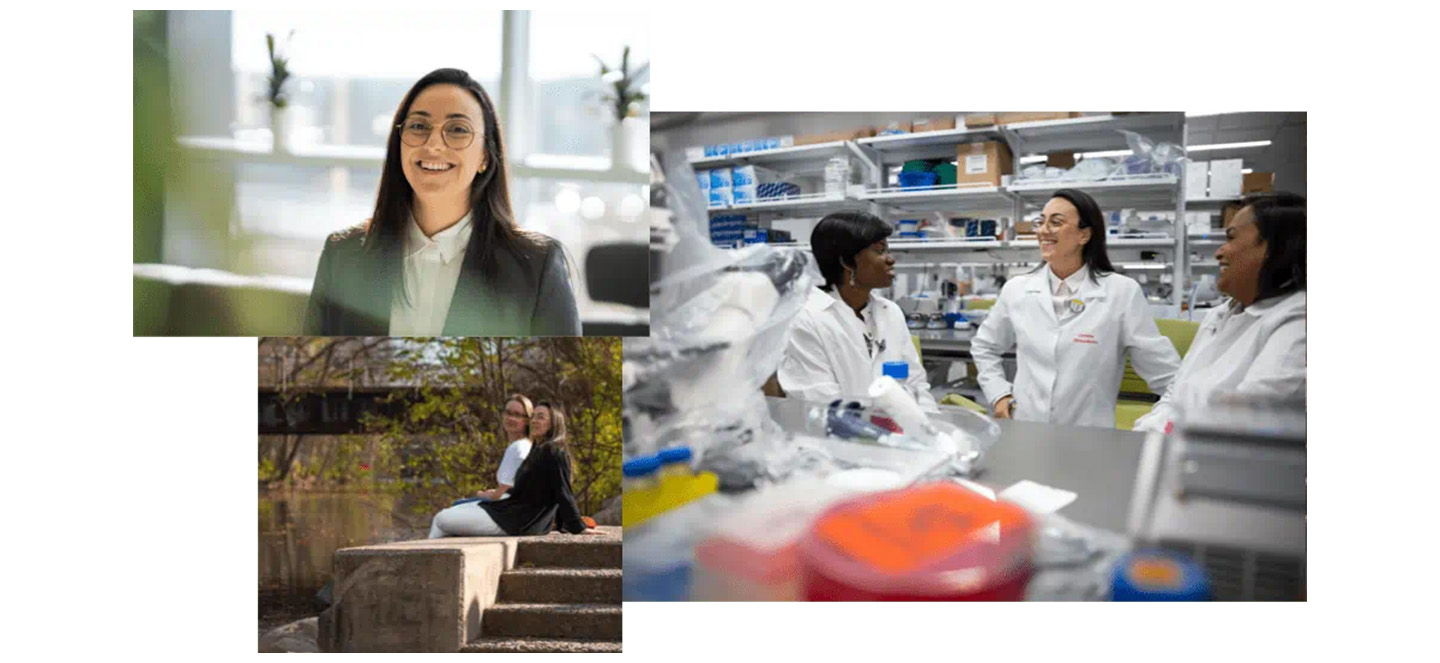
A Spartan Changing the Way We Fight Cancer
Carolina de Aguiar Ferreira couldn’t do what she does anywhere else. The assistant professor has the resources at Michigan State University to precisely target cancer cells with diagnostics and therapies using radioisotopes produced by what is designed to be the world's most powerful heavy-ion accelerator. When considering where to pursue her career, she knew MSU provided the perfect environment.

Henry Ford + MSU Select Grant Recipients for the 2023 Cancer Seed Funding Program
Henry Ford Health + Michigan State University Health Sciences has announced its integration grant recipients for the 2023 Cancer Seed Funding Program. This year’s program funded four cancer research grants of up to $75,000 each. These four grants follow the funding of 20 pilot grants of $25,000 each in July 2023.
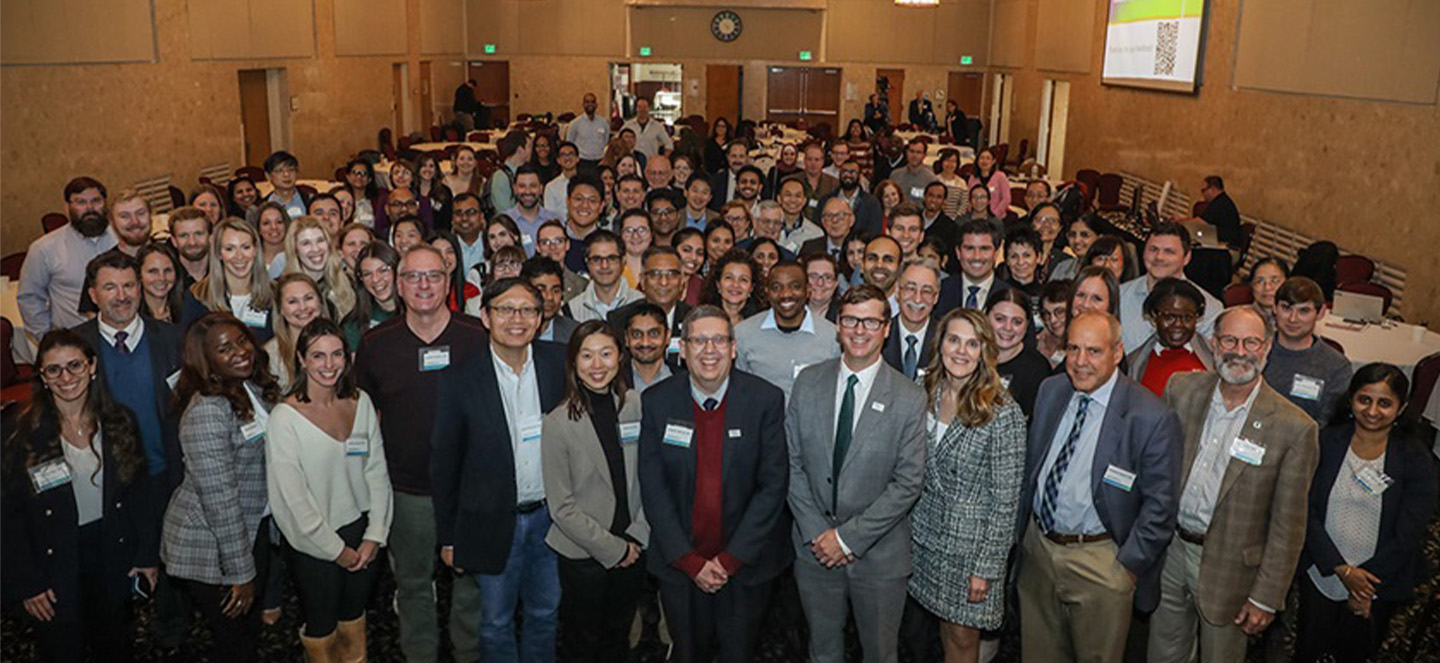
Henry Ford + MSU Cancer Research Symposium Inspires and Builds Collaboration
On November 9 and 10, over 225 Henry Ford Health + Michigan State University Health Sciences researchers gathered on the MSU campus for the 3rd Annual Henry Ford + MSU Cancer Research Symposium.
The two-day event focused on advancing research through innovation and collaboration. With more than 30 research presentations from Henry Ford and MSU, topics ranged from experimental and clinical therapeutics to opportunities for clinical trials and interventional studies.
The two-day event focused on advancing research through innovation and collaboration. With more than 30 research presentations from Henry Ford and MSU, topics ranged from experimental and clinical therapeutics to opportunities for clinical trials and interventional studies.
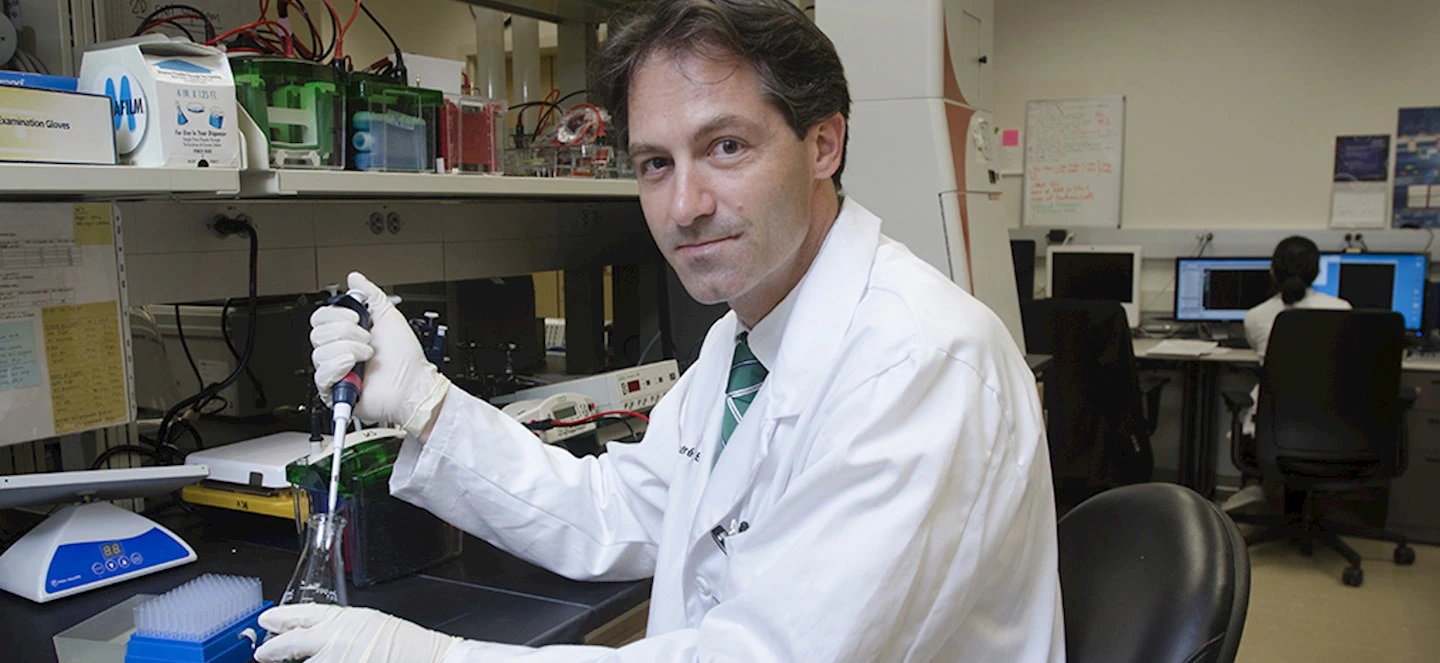
MSU Researcher Working to Develop New Cancer-Fighting Drug
Michigan State University professor and researcher André Bachmann is collaborating on cancer-fighting research that could change the way we treat the illness.
Bachmann, professor of pediatrics and associate chair for research in the MSU College of Human Medicine’s Department of Pediatrics and Human Development, is working with plant biologist Robert Dudler from the University of Zurich to develop a natural bacterium produced chemical with anti-cancer properties.
Bachmann, professor of pediatrics and associate chair for research in the MSU College of Human Medicine’s Department of Pediatrics and Human Development, is working with plant biologist Robert Dudler from the University of Zurich to develop a natural bacterium produced chemical with anti-cancer properties.
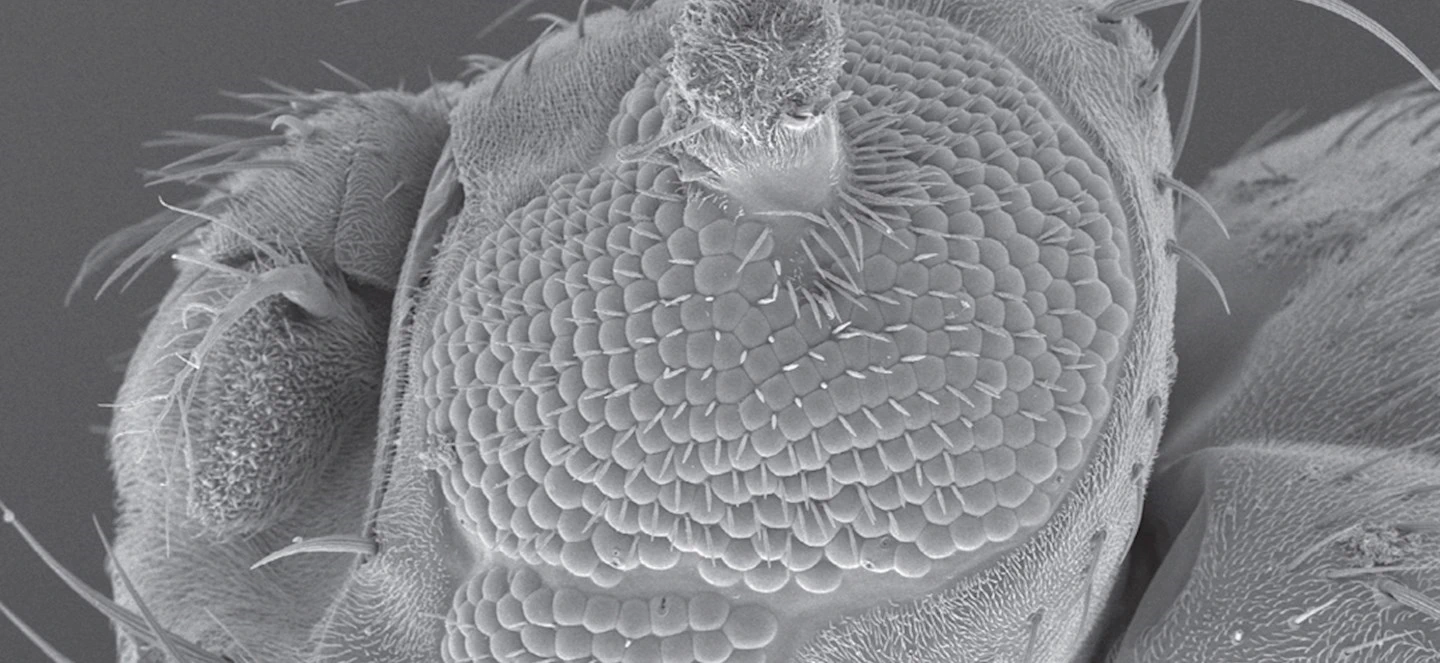
Cowlicks Controlled by Cancer Protein
What does Brad Pitt have in common with a fruit fly? His Hollywood hairstyles cover a prominent cowlick – the swirl of hair that is caused by a patterning mechanism also active in our two-winged friends – that similarly feature “polarized” hair patterns.
In new research led by Michigan State University and featured in the current issue of Scientific Reports, researchers have discovered that these polarity genes, which do more than create cowlicks, are regulated by a tumor suppressor protein. On the macro scale, their presence can be seen in feather and fish scale patterns. On the cellular level, they are directly regulated by a cancer protein, the retinoblastoma tumor suppressor protein.
In new research led by Michigan State University and featured in the current issue of Scientific Reports, researchers have discovered that these polarity genes, which do more than create cowlicks, are regulated by a tumor suppressor protein. On the macro scale, their presence can be seen in feather and fish scale patterns. On the cellular level, they are directly regulated by a cancer protein, the retinoblastoma tumor suppressor protein.
Two Common Medicines Found to Fight Deadly Childhood Cancer
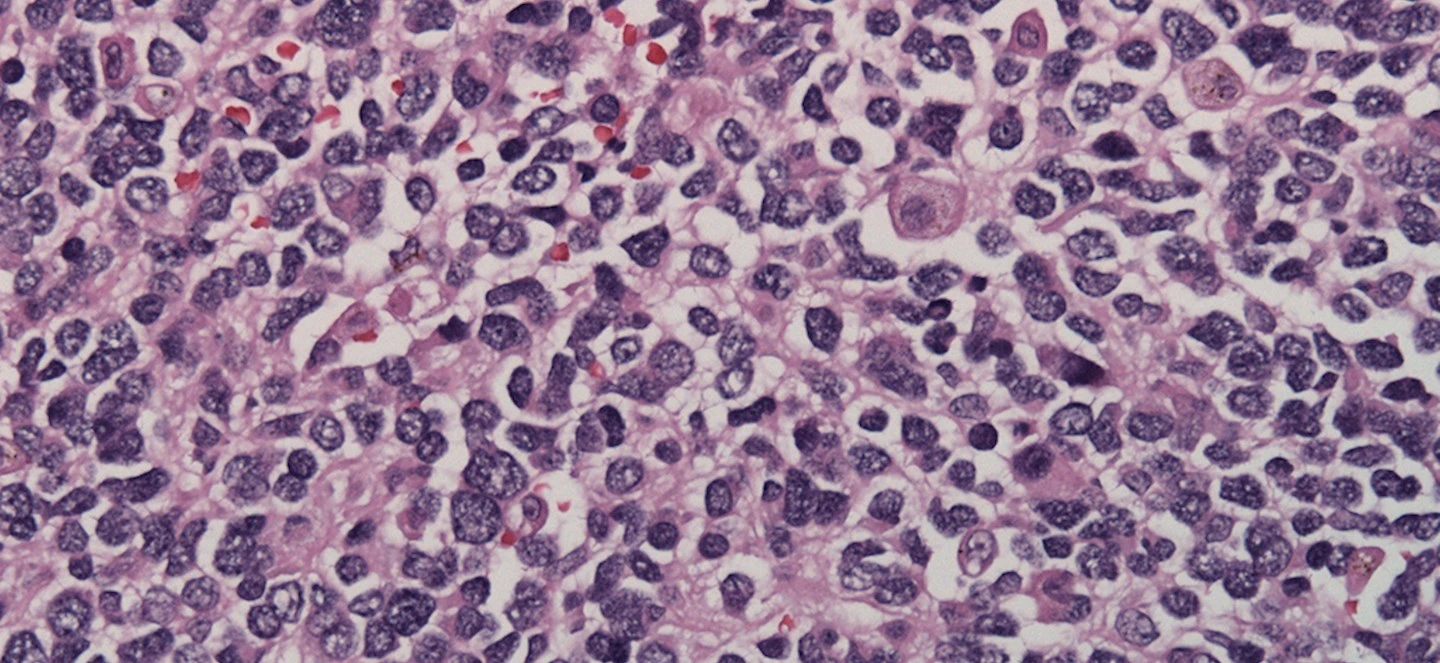
A combination of two medicines long used for treating other illnesses can stop the growth of a deadly childhood cancer, according to a recent study by a Michigan State University College of Human Medicine researcher who has a history of finding new uses for old drugs.
Laboratory tests on cell cultures showed that the drugs DFMO and sulfasalazine effectively impeded the growth of neuroblastoma, which causes about 15 percent of all childhood cancer deaths.
Laboratory tests on cell cultures showed that the drugs DFMO and sulfasalazine effectively impeded the growth of neuroblastoma, which causes about 15 percent of all childhood cancer deaths.

MSU Researcher Gets $3M to Study Side Effects of Anti-cancer Treatment
For cancer survivors, taking oral medication may be more convenient than spending hours undergoing infusions, but it could come with trade-offs, according to a Michigan State University researcher and her colleagues.
Alla Sikorskii, a professor in the MSU College of Osteopathic Medicine’s Department of Psychiatry.
By taking these oral medications, survivors may see their oncology teams less often, requiring them to deal with symptoms like fatigue, depression or skin rashes on their own. Unmanaged symptoms can result in cancer treatment interruptions or even lead to emergency room visits, said Alla Sikorskii, a professor in the MSU College of Osteopathic Medicine’s Department of Psychiatry.
Alla Sikorskii, a professor in the MSU College of Osteopathic Medicine’s Department of Psychiatry.
By taking these oral medications, survivors may see their oncology teams less often, requiring them to deal with symptoms like fatigue, depression or skin rashes on their own. Unmanaged symptoms can result in cancer treatment interruptions or even lead to emergency room visits, said Alla Sikorskii, a professor in the MSU College of Osteopathic Medicine’s Department of Psychiatry.